Ceromancy: How To Do Candle Wax Reading
When the wax speaks, your spirit listens.
In the quiet after a ritual, when the flame has burned low, and all that's left is melted wax, messages remain. This is the art of ceromancy: divining meaning from the way wax melts, moves, and hardens. While flame readings reveal energy in motion, wax tells the story of what’s settled, what’s taking shape, and what lingers beneath the surface.
Used for centuries in folk magic and spiritual work, ceromancy helps uncover the unseen. It can reveal emotional blocks, spirit messages, outcomes of spellwork, and even direct answers to your questions. This candle wax reading practice deepens your connection to its sacred language, one shape and pattern at a time.
What Is Ceromancy?
Ceromancy (also called wax divination or carromancy) is a traditional form of divination that uses melted wax to interpret messages from the spiritual realm. Practitioners typically observe how wax pools, drips, or cools into shapes during or after a ritual.
This can be done by:
- Letting a candle burn naturally and studying the wax left behind
- Dripping wax into a bowl of water for clearer symbolic imagery
- Observing which side the wax spills toward in spellwork for directional insight
While it may seem subtle, the symbols found in wax often speak directly to your intuition. You’ll be surprised how quickly you start seeing answers once you start trusting what you see.
A Brief History of Ceromancy
Ceromancy has roots that stretch back to ancient times. Practiced in ancient Greece, Rome, and parts of Eastern Europe, early seers would drip molten wax into cool water and interpret the shapes to answer questions or foresee events. Often performed during sacred festivals or moon rituals, this quiet art was considered a gentle way to access divine wisdom without invoking fear or chaos.
While the practice faded from mainstream use in later centuries, it survived through folk traditions, Hoodoo, and spiritualist communities. Today, ceromancy is embraced by modern practitioners as an intuitive and visually rich method of divination. Whether used alone or as part of a spell, reading wax remains a beautiful way to let spirit speak through shape and stillness.
Drip Divination: Wax in Water
One of the easiest ways to practice ceromancy is with drip divination. Here's what you’ll need:
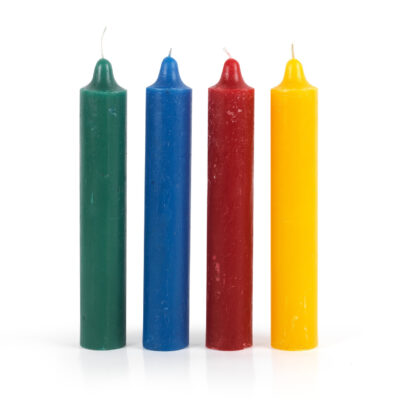
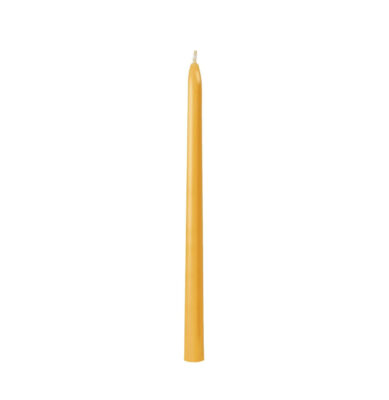
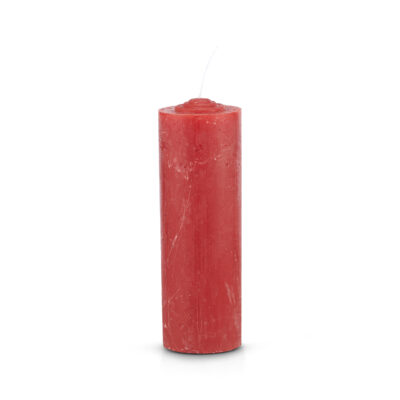
- A 9” taper or jumbo candle (in a color that matches your intention)
- A glass bowl filled with cool water
- A quiet, focused space
Light your candle and concentrate on your question or situation. Gently tilt the candle, allowing melted wax to drip into the bowl. Watch as it solidifies into shapes. Once the wax cools, examine the forms it created.
What do you see? A key? A heart? A snake? Don’t overthink it, as your first emotional reaction is often the most accurate. This method works beautifully for love, money, protection, or uncrossing rituals where you need visual feedback.
For help choosing the right candle, check out our Candle Color Meanings Guide to align the energy of your color with your intention.
Reading Wax Shapes & Patterns
Whether you're using a free-burning candle or collecting wax from a drip ritual, here’s what to look for:
Wax Shapes That Appear
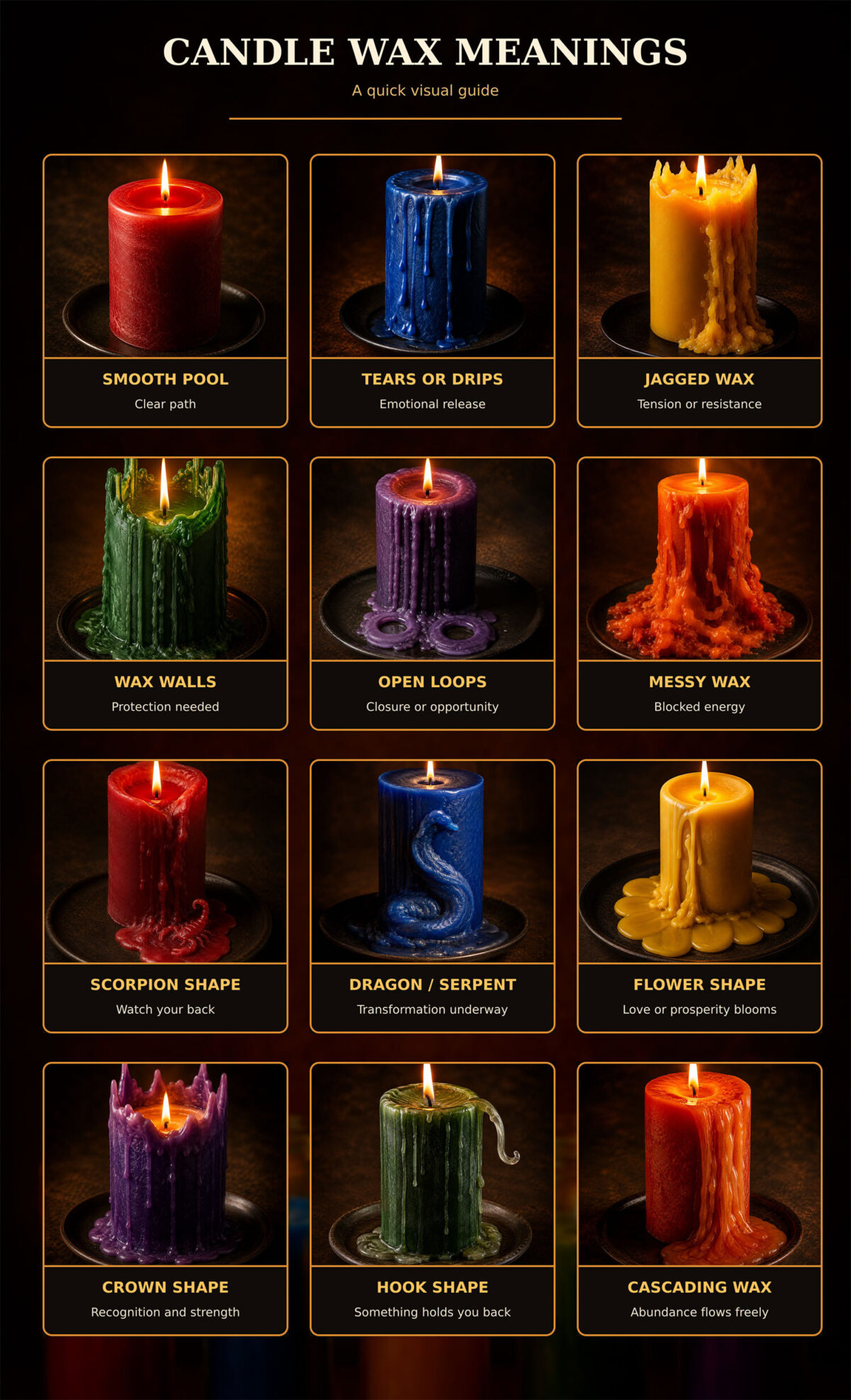
- Smooth, rounded pools: Energy is flowing, and the path is clear.
- Tears or drips on the sides: Lingering sorrow or emotional release.
- Sharp or jagged formations: Tension, resistance, or psychic interference.
- Wax walls or towers: A need for stronger personal boundaries or spiritual protection. You may be shielding yourself, consciously or not, from outside influences.
- Hollow circles or open loops: Cycles beginning or ending, closure, or open opportunities.
- Clumped or messy wax: Blocked energy, scattered focus, or unresolved emotion.
- A scorpion or curled tail shape: A warning to watch your back. Something or someone may be working against you quietly.
- A dragon or serpent form: Powerful transformative energy, often tied to major life change already in motion.
- A flower shape: Blossoming outcomes, especially in love or prosperity work.
- A crown shape: Recognition, authority, or an outcome that puts you in a position of strength.
- A hook shape: Something is catching or holding you back. Worth examining what still needs to be released.
- A waterfall or cascading shape: Energy moving freely and abundantly, a strong sign in money or open road work.
- Recognizable symbols: Trust your instinct: what that symbol means to you is often more powerful than a textbook meaning.
Some people like to use symbol dictionaries, but in ceromancy, your emotional response is key. If you see a butterfly, does it evoke feelings of transformation or fragility? That feeling is your message.
Wax color carries its own meaning too, separate from the intention you chose the candle for. Pale, translucent wax often reads as clarity and an unobstructed answer. Wax that darkens or discolors as it cools can point to lingering resistance still working its way out.
Candle Jar and Glass Interpretation: What the Container Reveals
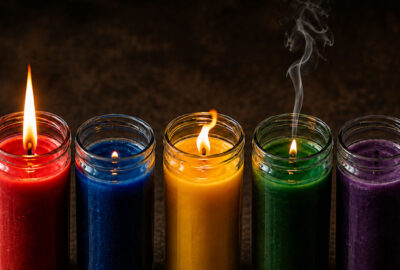
Many rituals call for a glass-encased vigil candle, most often a 7 Day Plain Candle or a Saint and Prayer candle. Once the flame goes out, the glass itself becomes part of the reading. The soot it holds, the cracks it sometimes shows, and the wax left behind inside all carry their own signs, separate from the drip and shape reading above.
Soot Patterns in a Candle Jar Reading
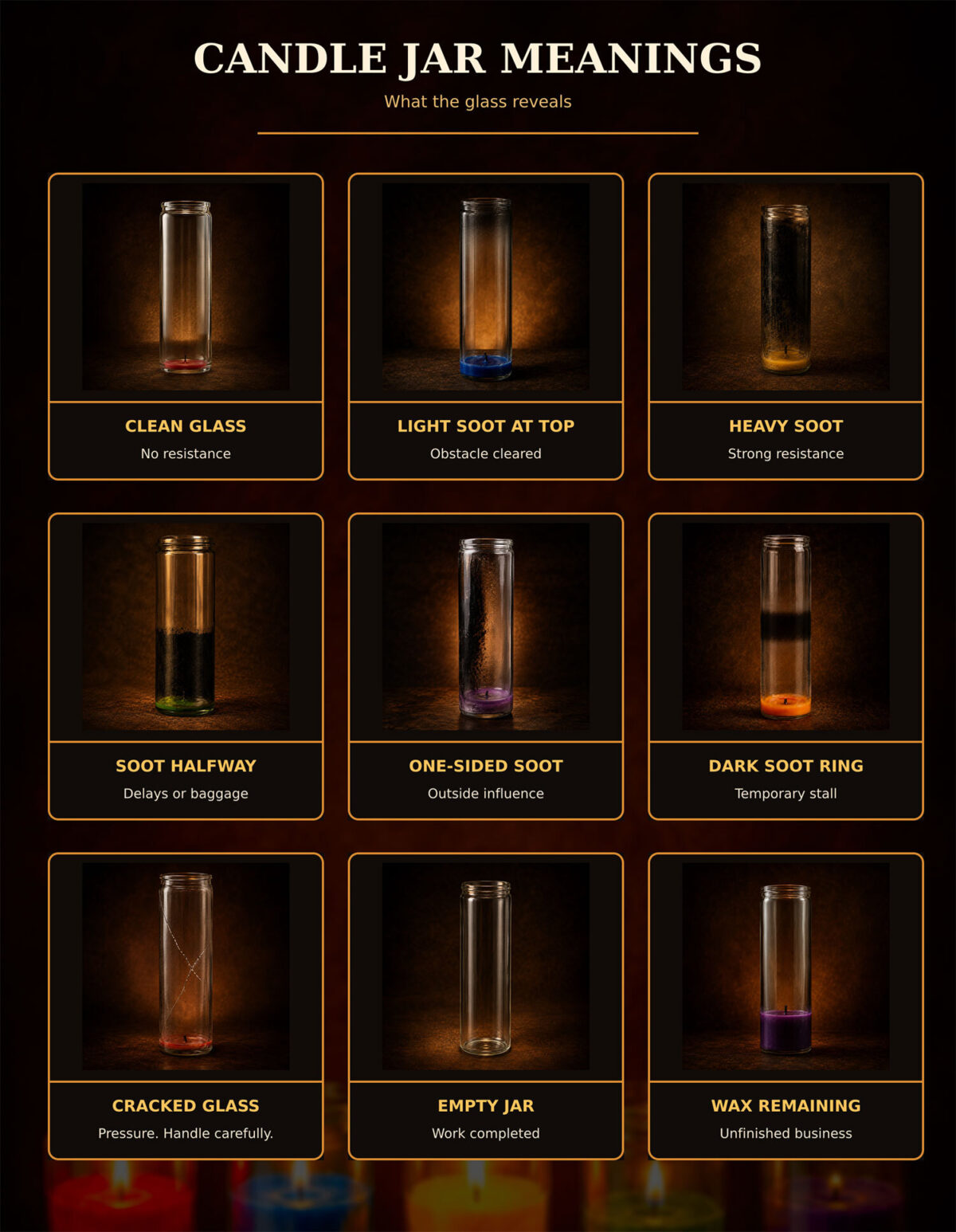
- Clean, unmarked glass: The working moved without resistance. Energy flowed clearly from start to finish.
- Light soot near the top: A minor obstacle that cleared on its own as the candle burned down.
- Heavy soot covering most of the glass: Real resistance or blocked energy the candle worked to burn through.
- Soot reaching about halfway down the glass: Delays or emotional baggage slowing the work. More patience or additional reinforcement may be needed before it resolves.
- Soot concentrated on one side: An outside influence pressing in from a specific direction. Note which side it gathers on and read it against your own sense of where that pressure is coming from.
- A dark ring circling the glass at one height: A point where the situation stalled before moving again.
Reading a Candle Glass in Thirds
Some practitioners divide a burned jar candle into three zones once it's finished: the top third, the middle third, and the bottom third. Read this way, the top speaks to where the situation started, the middle reflects where it stands now, and the bottom points to where it's heading. A jar that clears evenly from top to bottom is a strong sign the working moved the way it was meant to.
What a Cracked Candle Glass Means
A cracked or shattered jar is one of the more serious signs in candle work. Treat it first as a fire safety concern and handle the candle carefully, since heat-stressed glass can break unpredictably. Once everything is safe, many practitioners read a cracked glass as a sign of real spiritual pressure, either directed at you or reflected back after meeting protection that was already in place.
Wax Remaining in the Jar
Wax that clears completely, leaving the glass empty, points to a working that completed fully. A thick layer of wax still remaining points to unfinished business, work that hasn't resolved or is still developing. Leftover wax often holds its own shape, so it's worth reading against the shape meanings above before you clean or dispose of it.
Directional Clues from Wax Flow
If your candle is free-standing (not in glass), pay attention to which direction the wax flows:
- Toward you: The energy is drawing closer, and your request is being heard.
- Away from you: Something is repelling or delaying the manifestation.
- To the left: Past energy or influences may need clearing.
- To the right: Future momentum or signs of incoming change.
When Wax Doesn’t Burn Clean
Sometimes, wax pools heavily, clings to the candle, or won’t fully melt. This can mean:
- Unfinished business: The spell may need repeating.
- Blockages: Emotional or energetic obstacles are present.
- Spiritual resistance: Especially if paired with smoke or cracking sounds (explained in our Candle Flame Interpretation article).
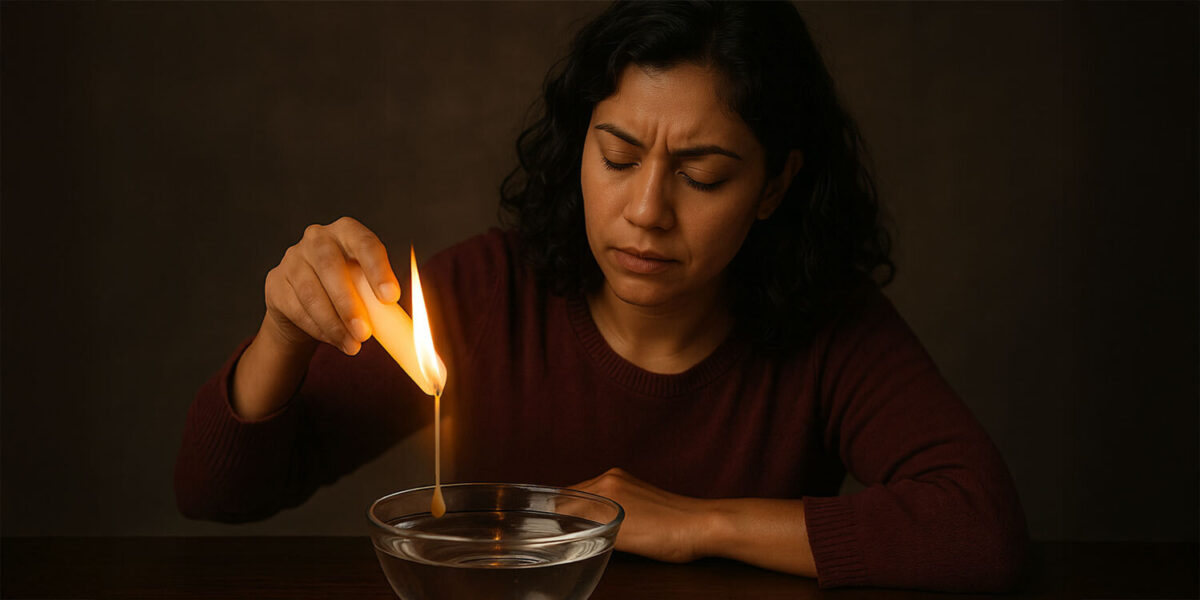
Stay focused and steady. Let the wax fall naturally, inviting symbols to rise from spirit to surface.
Five Ceromancy Rituals to Try
Ceromancy isn't just about reading signs; it's about creating sacred moments where wax becomes a messenger. These simple rituals help you tune into your intuition, invite guidance, and connect with your spiritual path.
Wax Reading for Spiritual Guidance
Use a white or purple candle and allow the wax to drip into water as you meditate on a life question. Interpret the shape as a direct sign from your guides.
Wax Reveal Love Ritual
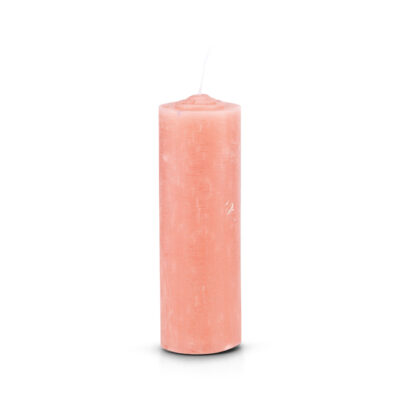
Use a pink candle for romantic insight. Drip wax into rose-infused water. Shapes like hearts, arrows, or spirals can signal emotional connection. Broken or chaotic forms may suggest misalignment.
Prosperity Wax Divination
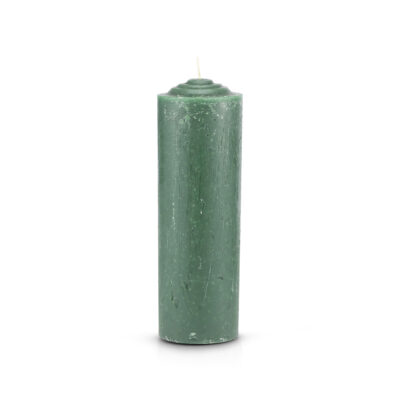
Burn a green candle surrounded by coins or bay leaves. Drip wax into a gold bowl of water. Look for circular shapes or flowing curves, signs of abundance beginning to flow your way.
Healing Wax Release
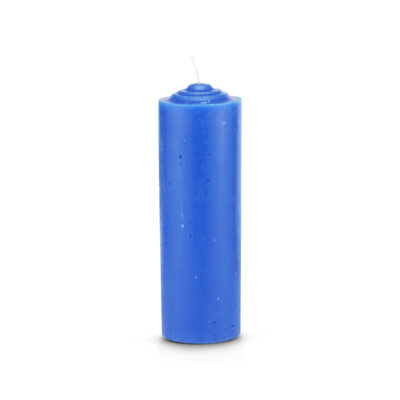
Choose a blue or white candle. As it melts, let the wax drip into a bowl of water infused with sea salt or chamomile. Watch the shapes: smooth, flowing forms suggest release and healing, while jagged ones may point to emotional blocks still needing care.
Path-Clearing Wax Ritual
Light a black candle to banish negativity or confusion. Drip the wax into still water and observe. If the wax forms a road-like shape or straight line, your way is clearing. Tangled or knotted shapes may reveal hidden resistance.
Candle Wax Reading: Frequently Asked Questions
These common questions can help you deepen your practice and clear up any uncertainty before you begin.
What is candle wax reading (ceromancy) used for?
Ceromancy is used to gain insight, receive spiritual messages, and interpret energy through melted candle wax. It's often practiced during rituals, meditations, or spellwork.
Can I practice ceromancy with any candle?
While any candle can technically be used, spell candles made from natural wax (like beeswax or soy) are preferred. The candle’s color should match your intention.
Do I have to be psychic to read wax?
Not at all. Ceromancy is about intuition. You don’t need psychic training, just trust your gut and the feelings or thoughts that arise when interpreting wax shapes.
How do I know if a wax shape has meaning?
If it draws your attention or stirs a strong emotion, it’s worth interpreting. Some practitioners keep a symbol journal, but personal intuition is often more powerful.
Can I reuse wax from a ceromancy session?
It’s generally advised not to. The wax holds the energy and intention of the reading and should be disposed of respectfully: buried, burned, or discarded in running water.
Is ceromancy safe to practice at home?
Yes, but always follow fire safety guidelines. Never leave a candle unattended, and use a heatproof bowl or container when dripping wax.
Let the Wax Be Your Guide
Ceromancy doesn’t require formal training, only presence, intention, and trust. It’s a slow and sacred way to listen to your spirit’s deeper voice. The wax reveals what your soul already knows.
Let it pool, let it shape, let it speak.